
Could Congress Eliminate the Social Security Earnings Test? What Retirees Need to Know
For many Americans nearing retirement, Social Security plays a major role in their financial plan. But one rule continues to create confusion and frustration for retirees who want to keep working while collecting benefits: the Social Security earnings test.
Now, a proposed bill in Congress — the Senior Citizens’ Freedom to Work Act of 2026 — could result in social security earnings limit removal for individuals under full retirement age.
At Franklin Wealth Management, we believe it’s important to stay informed about legislative proposals that may impact retirement income planning. Here’s what retirees and pre-retirees should understand about the discussion surrounding this bill.

What Is the Social Security Earnings Test?
Under current rules, individuals who begin collecting Social Security before reaching full retirement age may see a reduction in benefits if their earned income exceeds certain limits.
For 2026, the earnings threshold referenced in the discussion is approximately $24,480 annually. If earnings exceed that amount, a portion of Social Security benefits may be withheld.
The proposed legislation sponsored by Senators Rick Scott and Greg Murphy would reportedly eliminate that earnings test entirely for those under full retirement age.
While the proposal has generated significant attention, it is important to remember that legislation can change during the congressional process and there is no guarantee any bill will become law.
Why This Matters for Retirees
Today’s retirement landscape looks very different than it did decades ago.
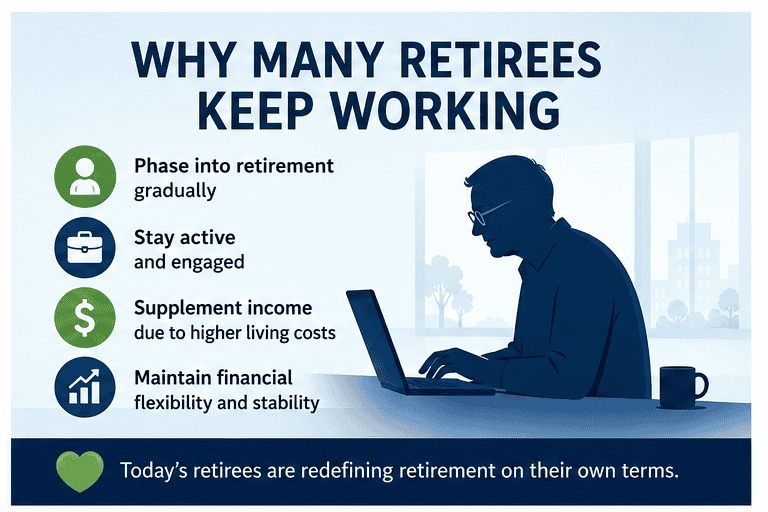
Many retirees are choosing to phase into retirement gradually by:
- Moving from full-time to part-time work
- Consulting within their industry
- Starting small businesses
- Returning to work due to inflation or higher living costs
As discussed in Joe Franklin’s video, many individuals continue working simply because the cost of living has increased substantially in recent years. Housing, food, and energy expenses have all become more expensive for many households.
For some retirees, continuing to work while receiving Social Security could provide additional flexibility and financial stability.
The Bigger Social Security Conversation
The debate around eliminating the earnings test also comes at a time when Social Security funding concerns remain a major national topic.
According to projections referenced in the video, policymakers continue discussing long-term funding solutions for the Social Security system, including:
- Potential payroll tax adjustments
- Changes to taxable income caps
- Other reforms aimed at maintaining program sustainability
There are differing opinions on whether removing the earnings test would strengthen or weaken the system long term. Some believe it creates greater fairness for working retirees, while others focus on the financial challenges already facing the program.
Social Security Was Originally Designed as a Safety Net
One of the important perspectives highlighted in the discussion is understanding the original purpose of Social Security.
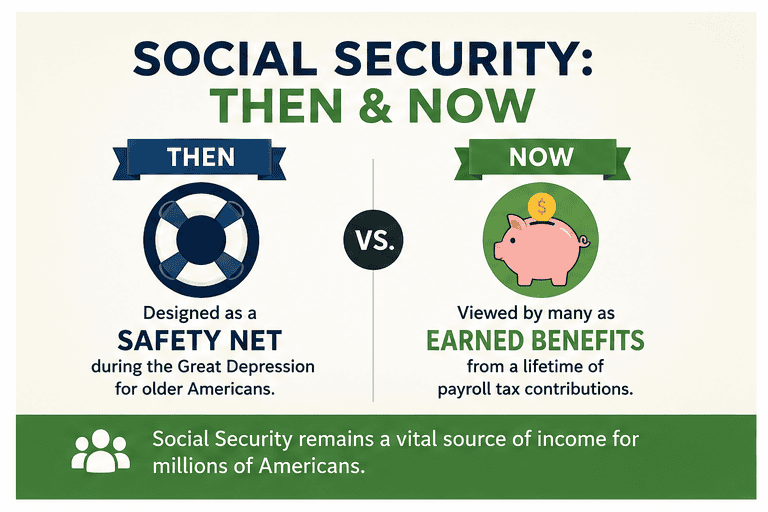
Historically, Social Security was designed during the Great Depression as a financial safety net for older Americans.
Over time, many Americans began viewing Social Security differently — less as a safety net and more as a personal retirement asset because of payroll taxes paid throughout their careers.
Regardless of perspective, Social Security remains an important source of retirement income for millions of Americans, particularly middle- and lower-income households.
Inflation Continues to Impact Retirement Planning
Another key point from the video is the continued impact inflation can have on retirees.
Even moderate inflation over long periods can affect purchasing power and retirement lifestyles. Rising costs can force some retirees to reconsider:
- Retirement timing
- Spending habits
- Housing decisions
- Part-time employment opportunities
For many households, flexibility becomes increasingly important in retirement planning.
Planning Matters More Than Predictions
While headlines about Social Security reform can create uncertainty, retirement planning should focus on building a strategy that can adapt over time.
At Franklin Wealth Management, we encourage individuals to evaluate:
- Multiple income sources
- Tax-efficient withdrawal strategies
- Inflation considerations
- Healthcare costs
- Long-term retirement sustainability
Legislation may change, markets may shift, and economic conditions may evolve — but having a thoughtful financial plan can help provide clarity and confidence along the way.

Final Thoughts
The proposed Senior Citizens’ Freedom to Work Act of 2026 has sparked an important conversation about retirement, work, and Social Security flexibility.
For retirees who want or need to continue working, Social Security earnings limit removal could create new opportunities. However, broader concerns about the future sustainability of Social Security will likely remain part of the national conversation for years to come.
Before making decisions about when to claim benefits or how Social Security fits into your retirement income, consider working with a Social Security advisor who can evaluate the decision within your broader financial picture.
Watch the Full Video from Joe Franklin on our YouTube Channel
For additional insights and discussion, visit the The Mustard Seed with Joe Franklin, CFP YouTube Channel – https://youtu.be/OivBBTbBXko